Victory Fund was founded in 1991 by LGBTQ+ activists and donors who recognized the success of EMILY’s List at attracting attention and support for women candidates for public office. With less than 50 out LGBTQ+ elected officials across America at any level of government, our founders understood that boosting our numbers in public office would be key to advancing equality. In creating Victory Fund, they set out to build a network of supporters who pledged to assist viable LGBTQ+ candidates endorsed by the organization.
On May 1, 1991, the Gay & Lesbian Victory Fund was formally created as a non-partisan political action committee. Founding members included Vic Basile, Terry Bean, Roberta Bennett, David Detrick, Lynn Greer, Tim McFeeley, Howard Menaker, David Mixner, Hilary Rosen, John Thomas and William Waybourn.
1991
Seattle City Council candidate Sherry Harris became the first Victory Fund endorsed candidate. Despite a Victory Fund donor network of just 181 members, the nascent organization helped Harris defeat a 24-year incumbent to become the nation’s first openly lesbian African-American city council member.
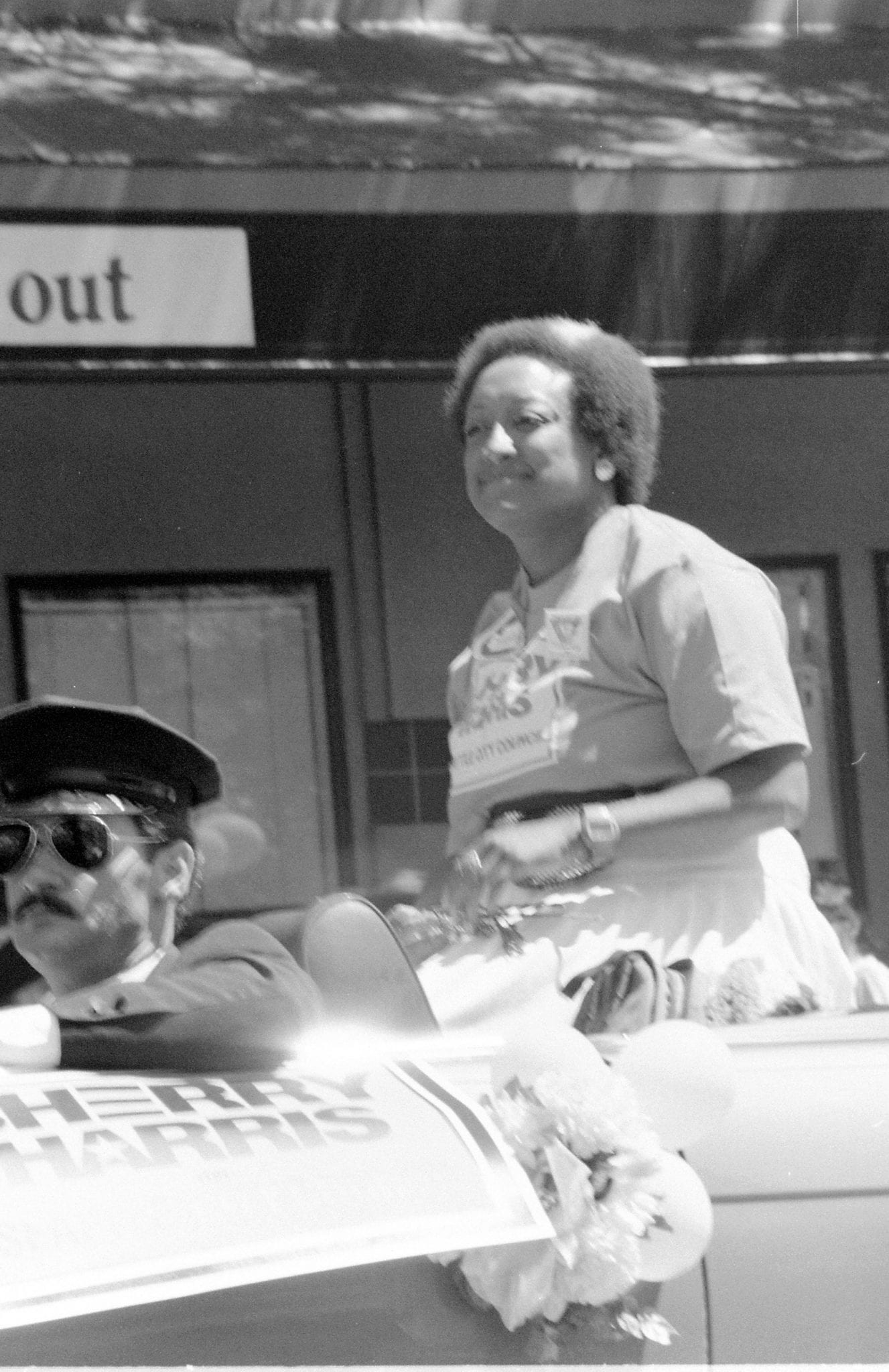
Sherry Harris campaigns in Seattle.
1992
Despite a modest goal of raising $80,000 for six candidates, Victory Fund staff and board members led by Executive Director William Waybourn end up raising more than $263,000 for 12 candidates during its first election cycle. Among the recipients of Victory Fund support is Tammy Baldwin, who that year won a seat in the Wisconsin State House of Representatives.
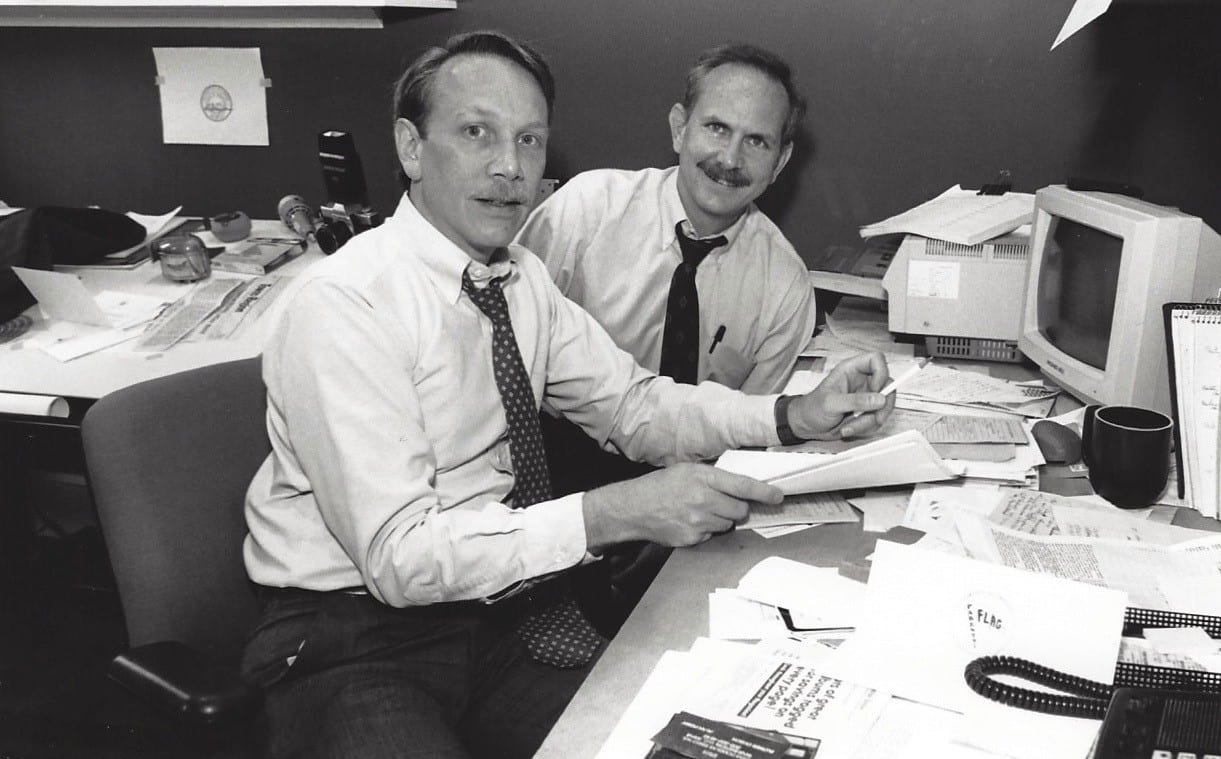
William Waybourn (back), who served as Executive Director from 1991 to 1995, with Victory Fund co-founder Vic Basile.
1993
Gay & Lesbian Victory Foundation, a 501(c)3 organization now called Victory Institute, is launched. The Foundation begins training future candidates and campaign workers to help LGBTQ+ leaders achieve careers in public service. The Foundation successfully pushes for Roberta Achtenberg to become the first openly LGBTQ+ presidential appointee to a Senate-confirmed position when she becomes Assistant Secretary of the Department of Housing and Urban Development.
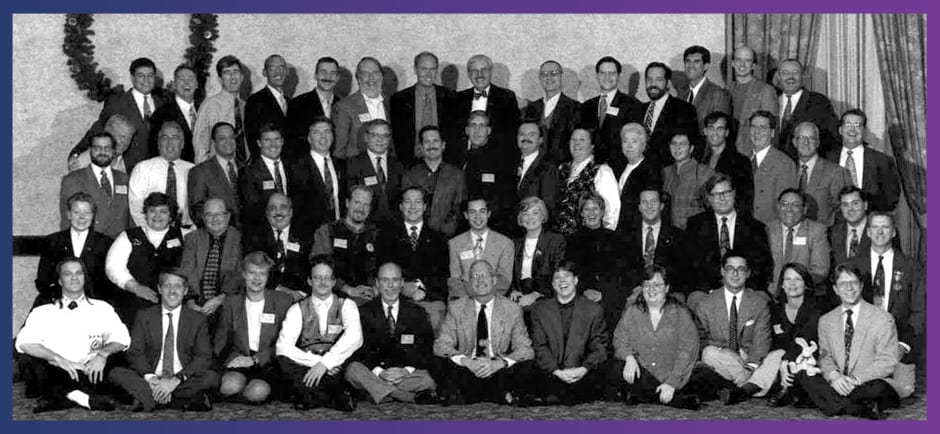
LGBTQ leaders at the International Network of Gay & Lesbian Officials, which would be folded into Victory Foundation.
1994
Fourteen of Victory Fund’s 28 endorsed candidates win their elections, including San Diego Republican Bonnie Dumanis, who in 2002 would become America’s first openly LGBTQ+ District Attorney. Victory Fund featured Dumanis in 7,000 mailers and solicited more than $11,000 for her race for Municipal Court Judge. Victory Fund endorsed candidate Sheila James Kuehl also won her race to become the first openly LGBTQ+ person in the California state legislature.
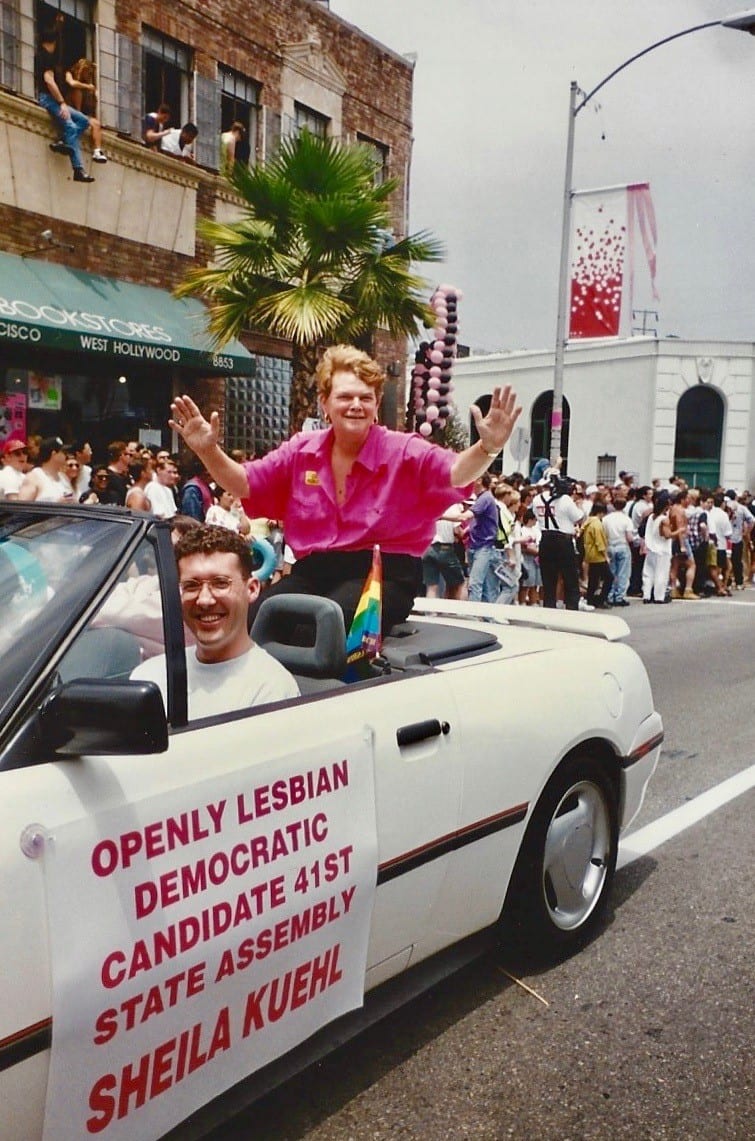
Sheila James Kuehl campaigns at a Pride parade (photo courtesy of Karen Ocamb)
1996
Victory Fund endorses 50 candidates – the most in its history. With enthusiastic backing from Victory Fund, endorsed candidate Ed Flanagan becomes the first openly LGBTQ+ person elected to a statewide office, winning his race for State Auditor in Vermont.
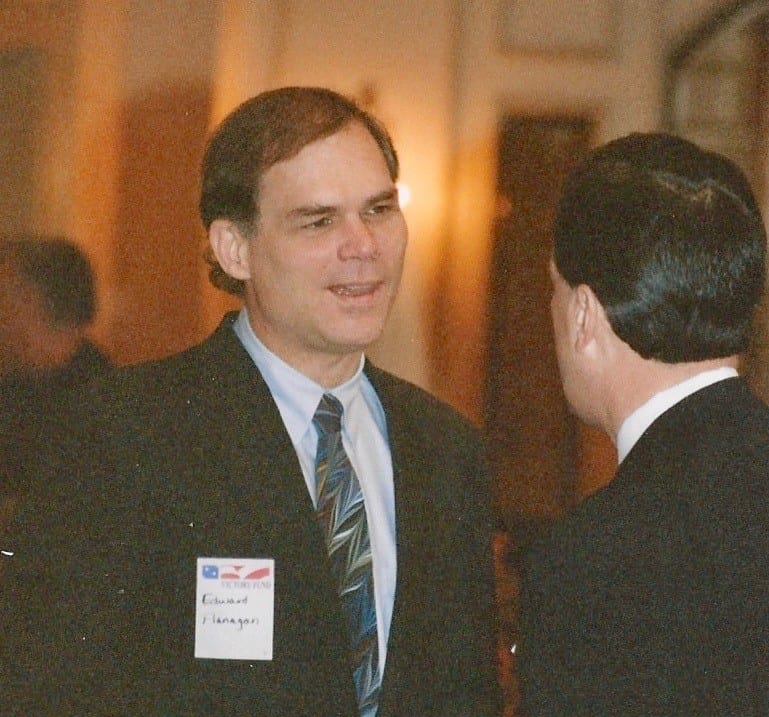
Ed Flanagan attends a Victory Fund fundraiser.
1997
Brian Bond becomes Executive Director of Victory Fund and serves until 2003. Victory Fund supports Cathy Woolard, who becomes the first openly LGBTQ+ elected official in Georgia, winning her race for Atlanta City Council, as well as Annise Parker, who is elected to an at-large seat on the Houston City Council.
1998
Victory Fund is instrumental in assisting Tammy Baldwin’s winning congressional campaign, making her the first openly LGBTQ+ candidate ever elected to Congress as a non-incumbent. Victory Fund also endorses recently out incumbent Jim Kolbe, who becomes the first openly gay Republican to win election to Congress.
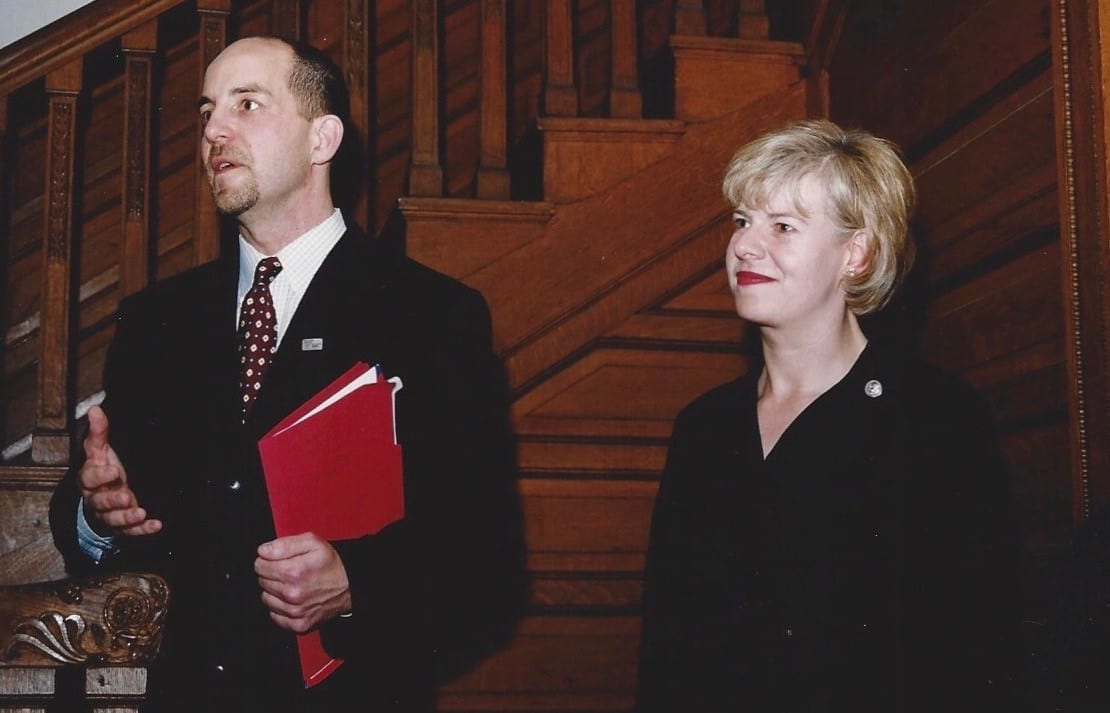
Brian Bond attends a Victory Fund fundraiser with then Wisconsin State Representative Tammy Baldwin.
2000
Fifty-eight percent of Victory Fund’s 51 endorsed candidates win their race – including Karla Drenner, who became the first openly gay state legislator in the Deep South when she won her race for the Georgia state legislature.
2001
Victory Fund endorsed candidate Christine Quinn and two other LGBTQ+ candidates win election to the New York City Council.
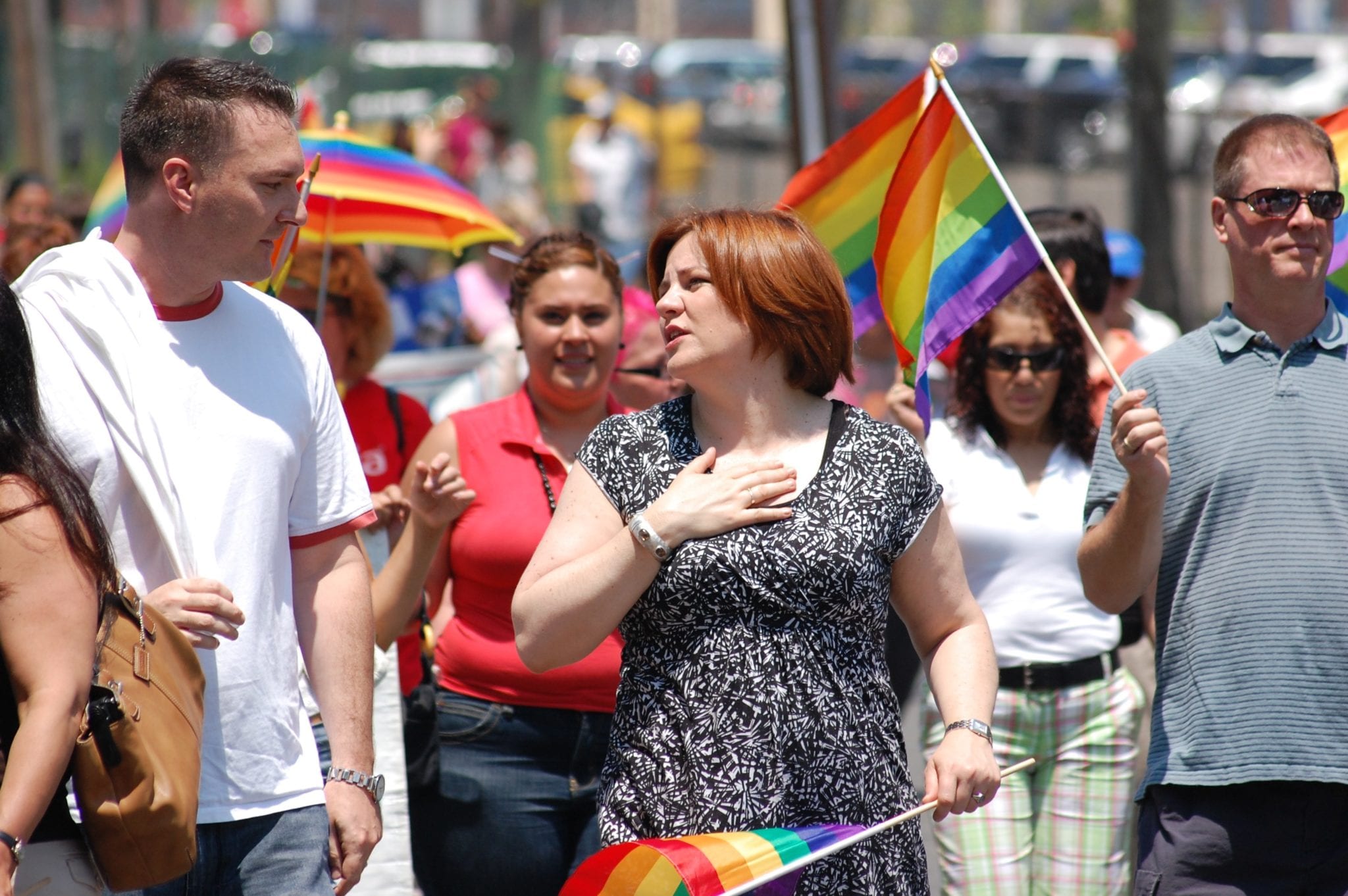
Christine Quinn marches at New York City Pride.
2002
Eighty-seven percent of Victory Fund’s 48 endorsed candidates win their races. Victory Fund endorsed candidate Jim Roth becomes the first out LGBTQ+ elected official in Oklahoma history, winning a seat on the Oklahoma County Commission, and David Cicilline is elected mayor of Providence, Rhode Island.
2003
Victory Fund board member Chuck Wolfe is named executive director of Victor Fund, and under his leadership the revenue of the organization triples. With support from Victory Fund, endorsed candidate Ron Oden of Palm Springs becomes the first openly gay African-American mayor in the U.S.

Executive Director Chuck Wolfe leads Victory Fund from 2003 to 2014.
2004
More than 20 Victory Fund endorsed candidates are elected to state legislatures across the nation. Among them, Nicole LeFavour wins election to the Idaho House of Representatives, becoming that state’s first openly LGBTQ+ elected official.
2006
Sixty-seven of Victory Fund’s 88 endorsed candidates win their elections, and the organization raises and spends nearly $1 million in direct candidate contributions. Patricia Todd becomes the first openly LGBTQ+ elected official in Alabama, and Kathy Webb reaches the same milestone in Arkansas, when the two Victory-backed candidates are elected to their state’s Houses of Representatives.
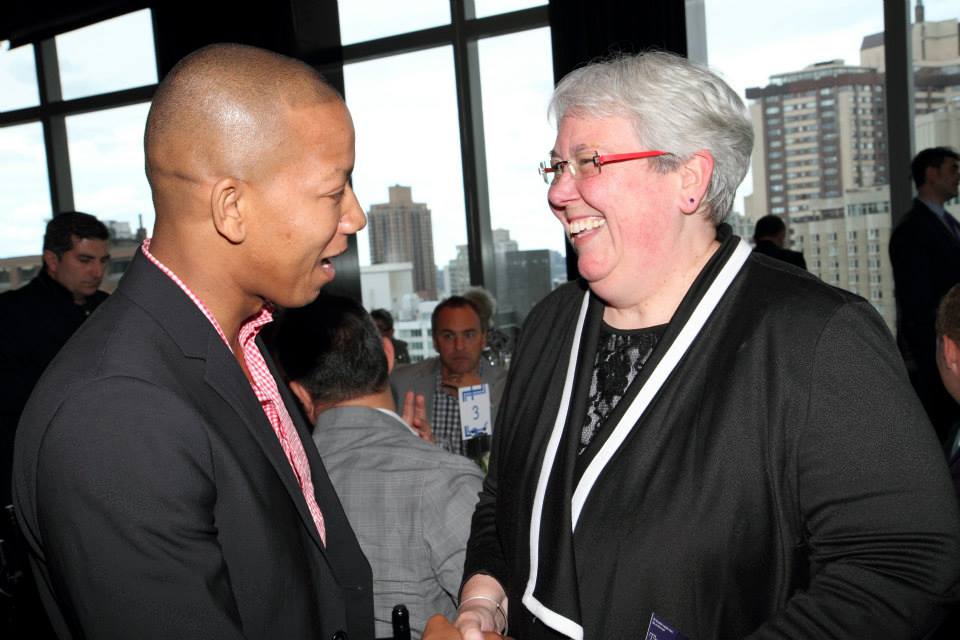
Patricia Todd at a Victory Fund event.
2008
Victory Fund endorses a record 111 candidates and 70 percent win their races. In Oregon, endorsed candidate Kate Brown becomes the first openly LGBTQ+ candidate in U.S. history to be elected to a Secretary of State post, and Lawrence Webb is elected to the Falls Church City Council, becoming the first openly gay African-American elected in the Commonwealth of Virginia.
2009
Victory Fund endorsed candidate Annise Parker is elected mayor of Houston, becoming the first openly LGBTQ+ person elected mayor of a major U.S. city. Charles Pugh becomes the first openly gay elected official in Detroit, winning the presidency of the city council after finishing first in a crowded field, and Simone Bell in Georgia becomes the first African-American lesbian to win election to a state legislature.
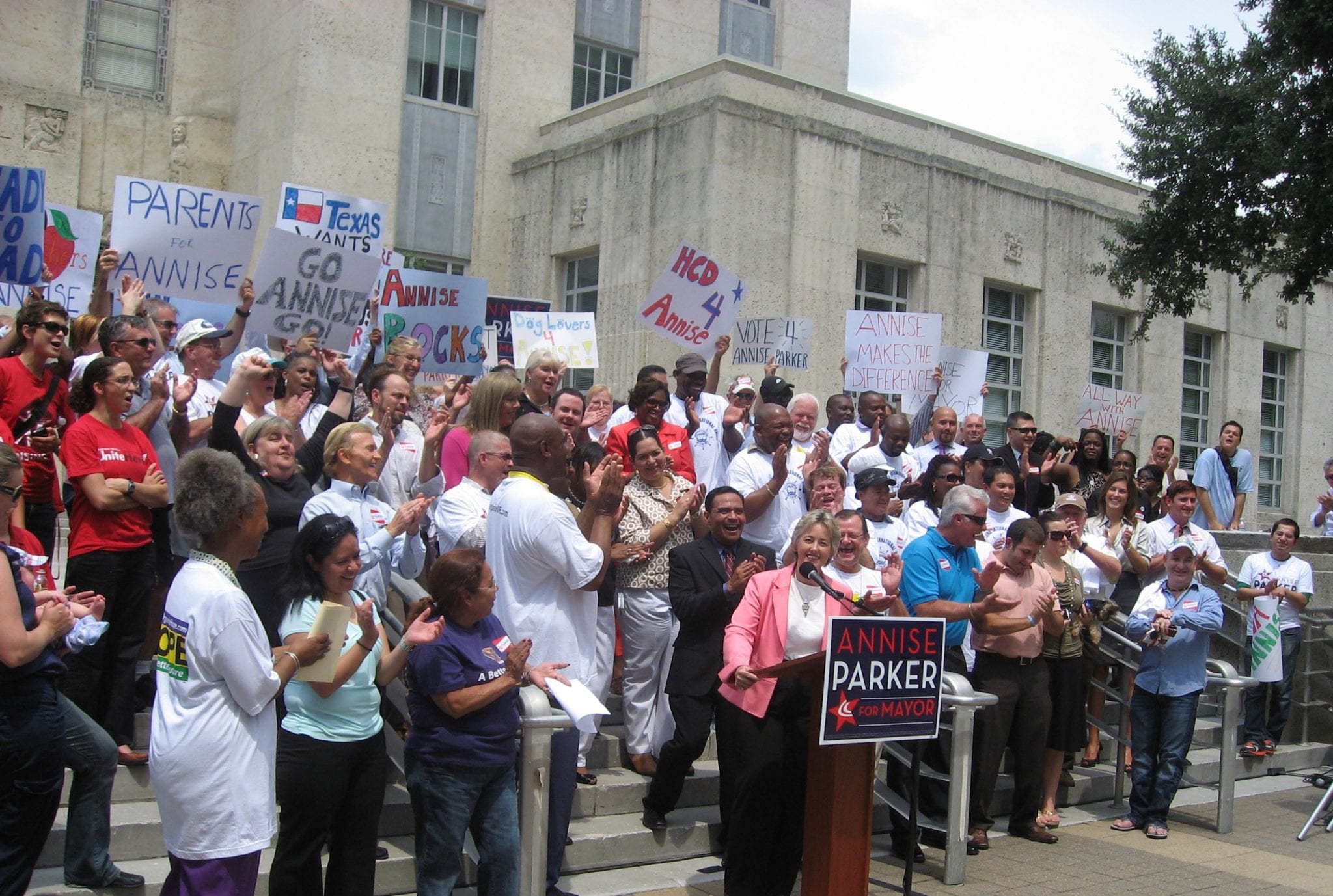
Annise Parker campaigns in Houston.
2010
One hundred and seven Victory Fund endorsed candidates win their races, including David Cicilline, who becomes the seventh openly LGBTQ+ American elected to Congress. In the South, endorsed candidate Jim Gray is elected mayor of Lexington, Kentucky, and Nickie Antonio becomes the first openly LGBTQ+ person elected to the Ohio state legislature. Victory Fund endorsed candidate Victoria Kolakowski also becomes the first openly transgender candidate elected to a judicial seat in the U.S.
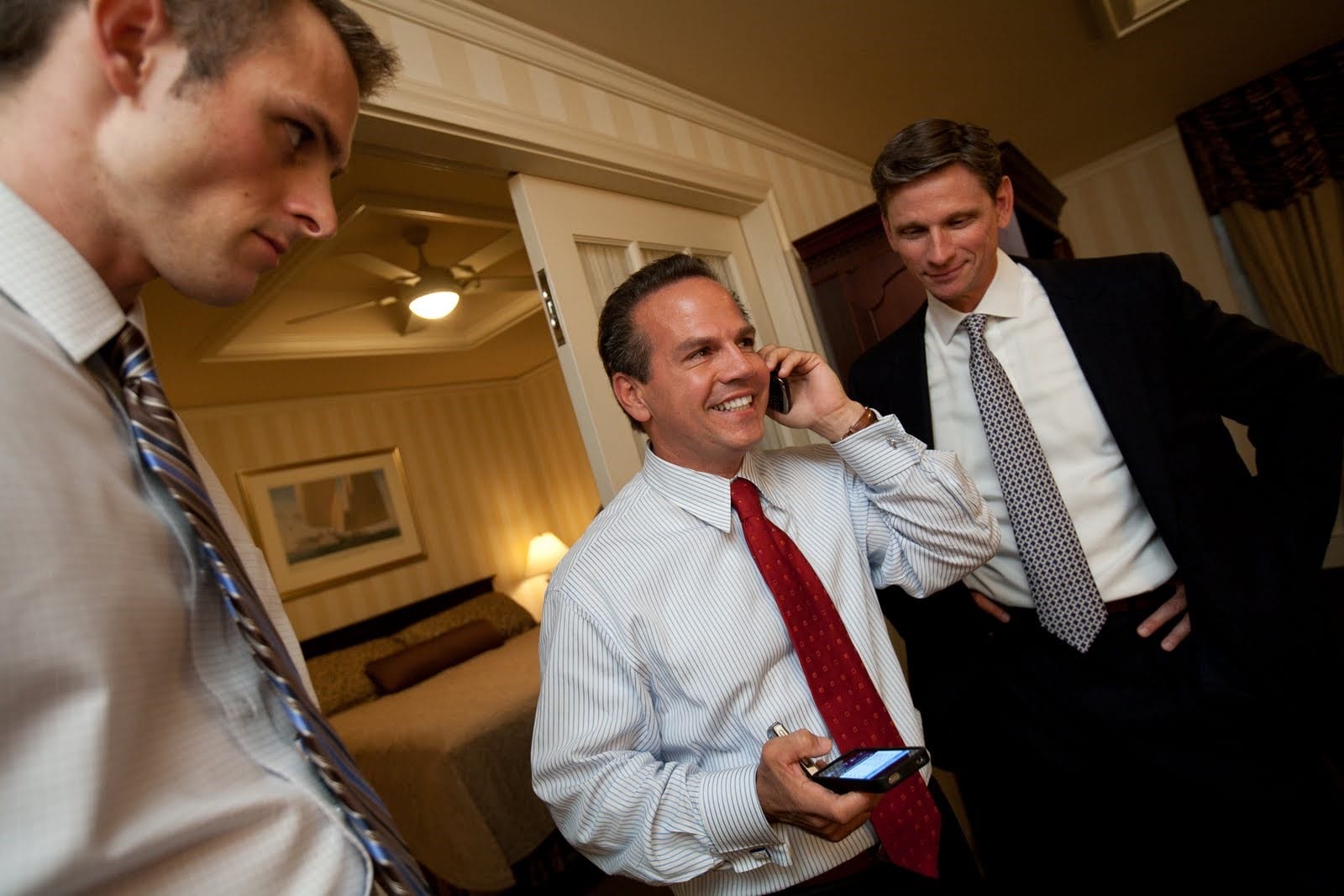
David Cicilline with Victory Fund Executive Director Chuck Wolfe as he receives confirmation he’s won the primary.
2012
One hundred and twenty-three Victory Fund endorsed candidates win their races, including a record seven members of Congress. With a historic-level of support from Victory Fund, Tammy Baldwin is elected United States Senator from Wisconsin, becoming the first out LGBTQ+ senator in American history. Fred Karger also became the first openly LGBTQ+ candidate of a major party to run for president of the United States.
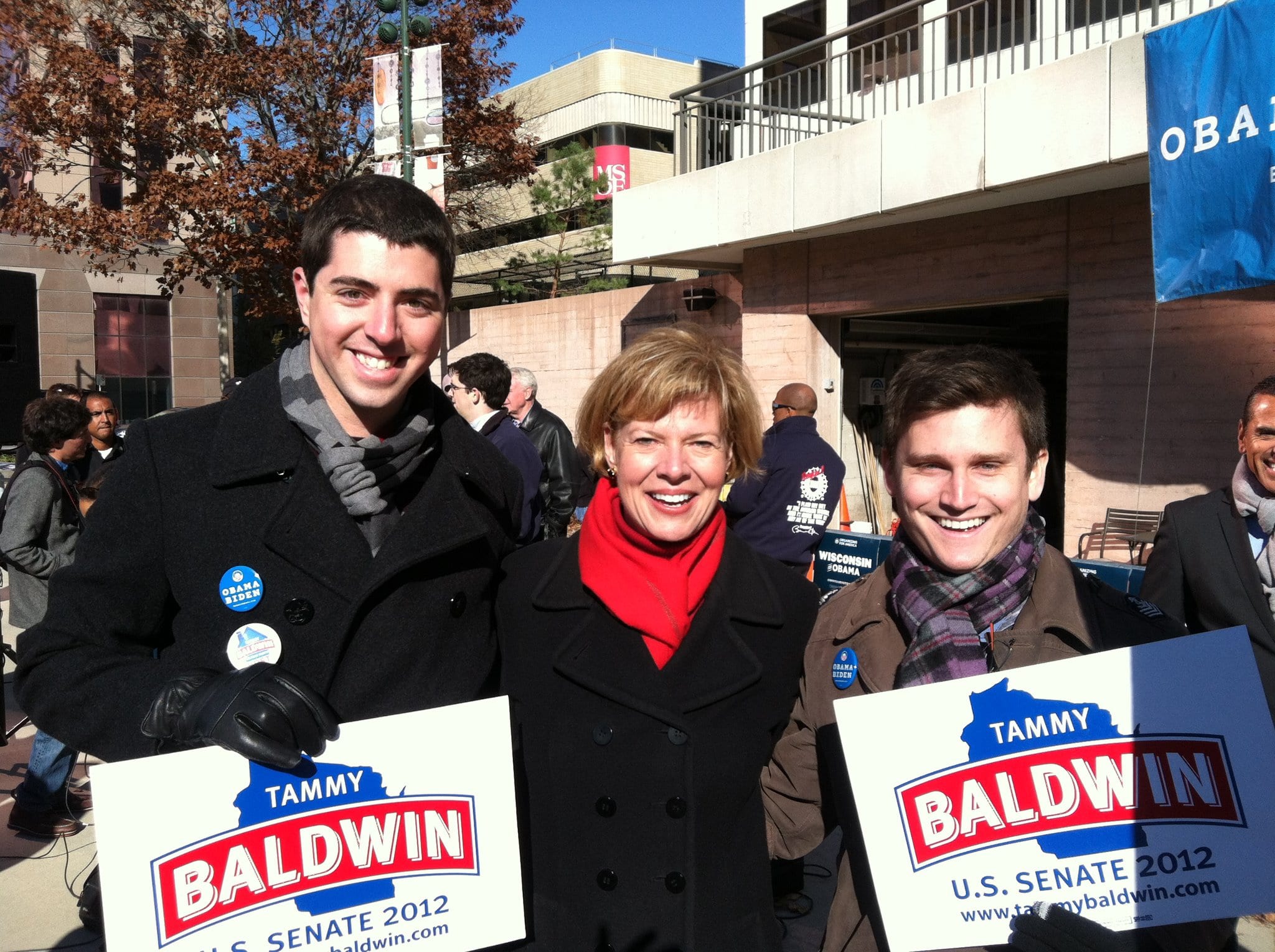
Victory Fund staff with then U.S. Rep. Tammy Baldwin as she campaigned to become the first openly LGBTQ U.S. Senator.
2013
Fifty-six Victory Fund endorsed candidates win their races — including Kyrsten Sinema who becomes the first openly bisexual member of Congress, and Mark Takano who becomes the first out LGBTQ+ person of color in Congress. Rep. Mark Pocan replaces Sen. Tammy Baldwin in the House of Representatives, marking the first time an out LGBTQ+ member of Congress succeeded another LGBTQ+ member.
2014
Maura Healey and Steve Kerrigan win their primary races for Massachusetts Attorney General and Lieutenant Governor, marking the first time two out LGBTQ+ candidates won statewide races on the same night. Maura Healey goes on to win the general election, making her America’s first out LGBTQ+ state Attorney General.
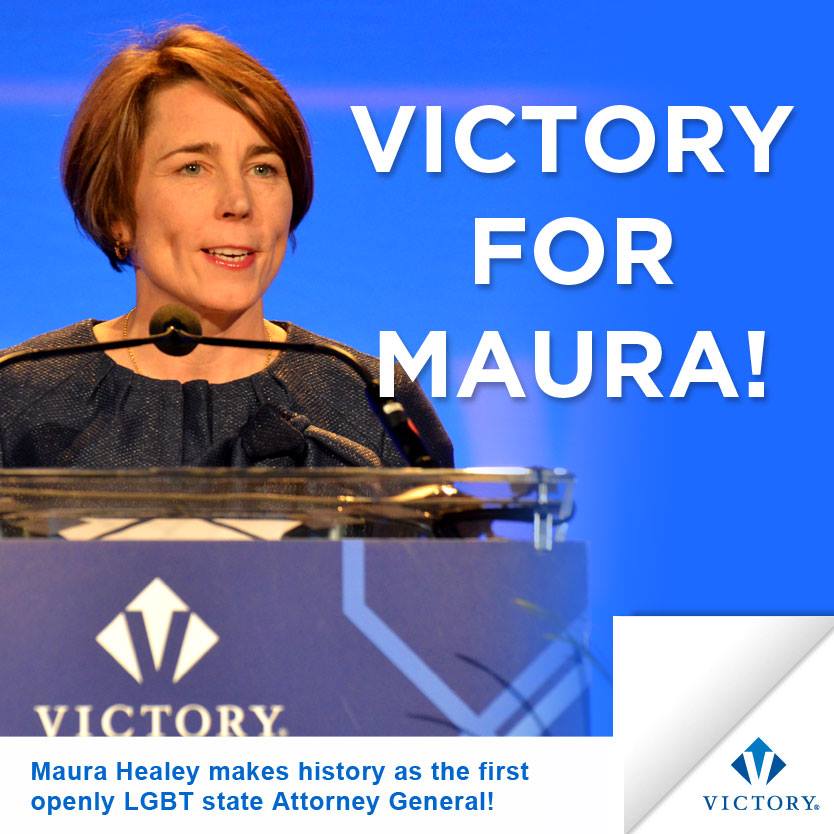
Victory Fund announces Maura Healey’s win on social media.
2015
Aisha C. Moodie-Mills is selected to succeed Chuck Wolfe as Victory Fund’s president and CEO, making her the first woman and the first person of color to lead the organization. For only the second time in history, every U.S. state has at least one out LGBTQ+ elected official currently serving.

Former Victory Fund President & CEO Aisha C. Moodie-Mills speaks at Victory Institute’s International LGBTQ Leaders Conference
2016
Eighty-seven of Victory Fund’s 135 endorsed candidates win their elections, including Kate Brown, who becomes the nation’s first out LGBTQ+ governor. Victory Fund endorsed candidate Carlos Guillermo Smith became the first out LGBTQ+ Latino elected to the Florida state legislature, and voters reelected all six out LGBTQ+ members of Congress despite a tough night for House Democrats.
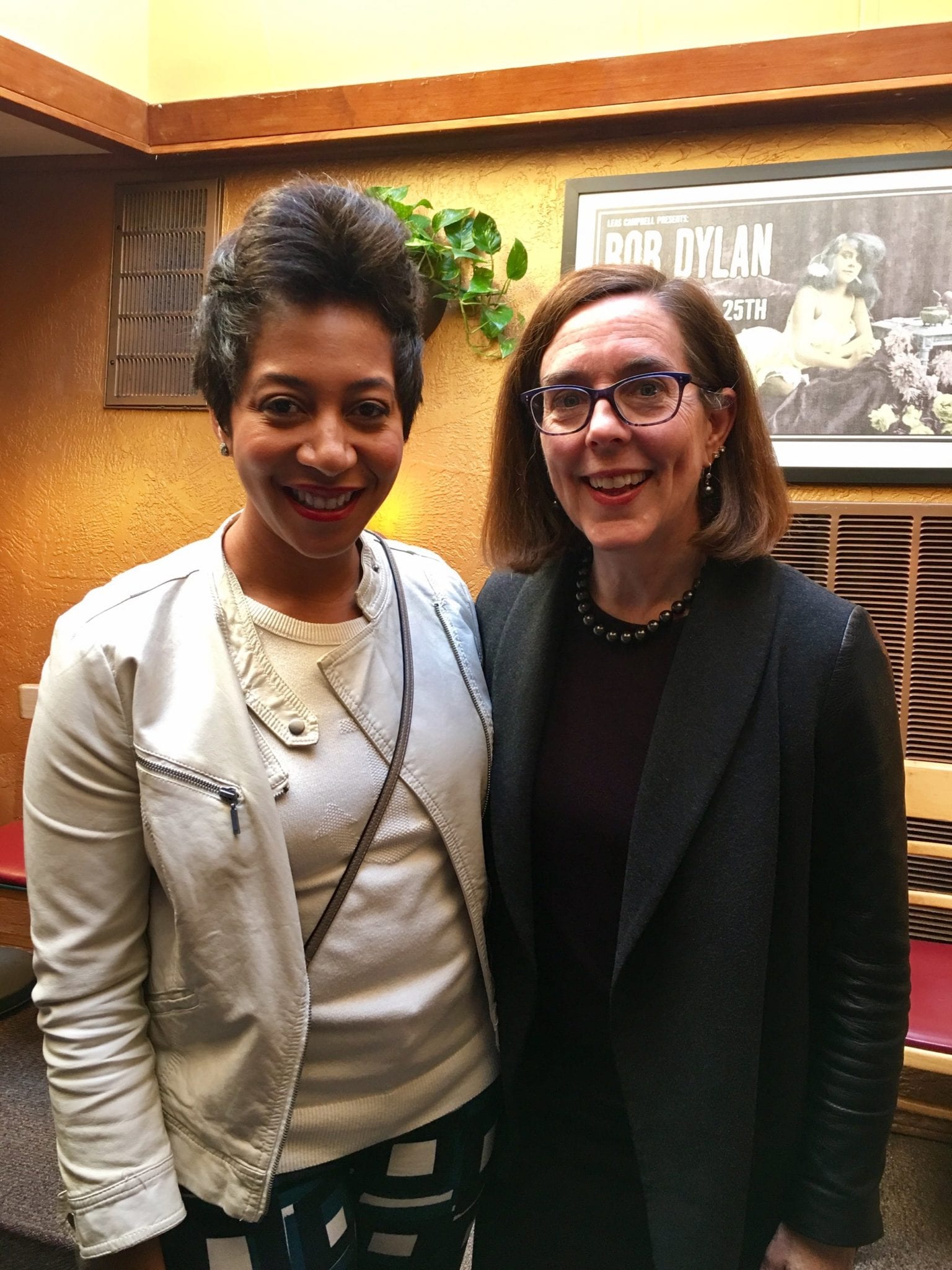
Governor Kate Brown with Victory Fund President & CEO Aisha C. Moodie-Mills during get out the vote efforts several nights before the election.
2017
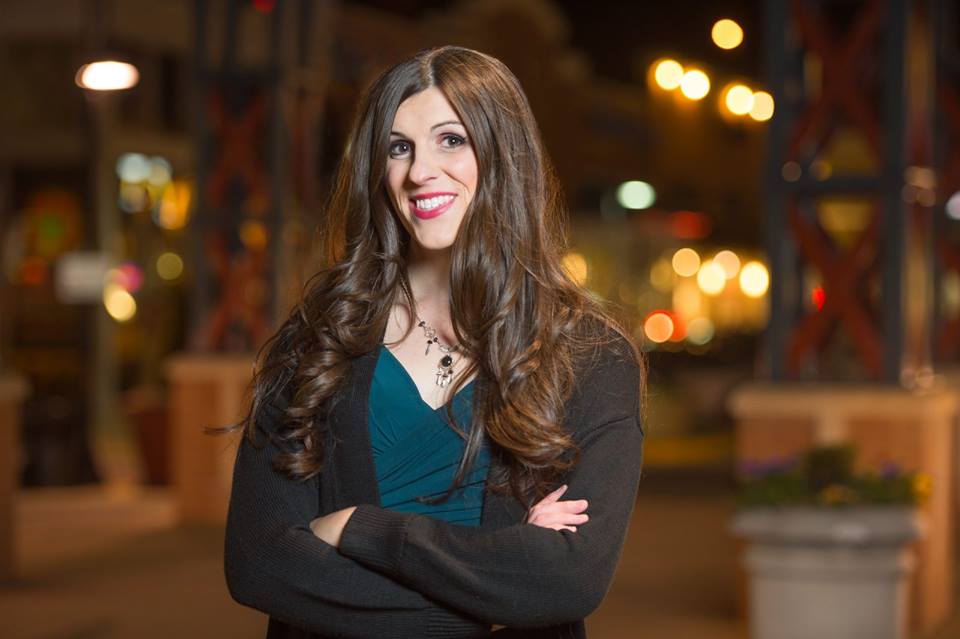
Danica Roem defeats “Bigot Bob” Marshall to become the only out transgender state legislator in the U.S. Victory Fund invested heavily in her race – raising more than $200,000 for her campaign, running get out the vote efforts during her primary and on election day, and helping raise her profile to a national audience.
Victory Fund helped secure other notable wins in what Time Magazine dubbed the “Year of the Trans Candidate” – including Andrea Jenkins and Phillipe Cunningham (Minneapolis City Council), Lisa Middleton (Palm Springs City Council) and Tyler Titus (Erie School Board).
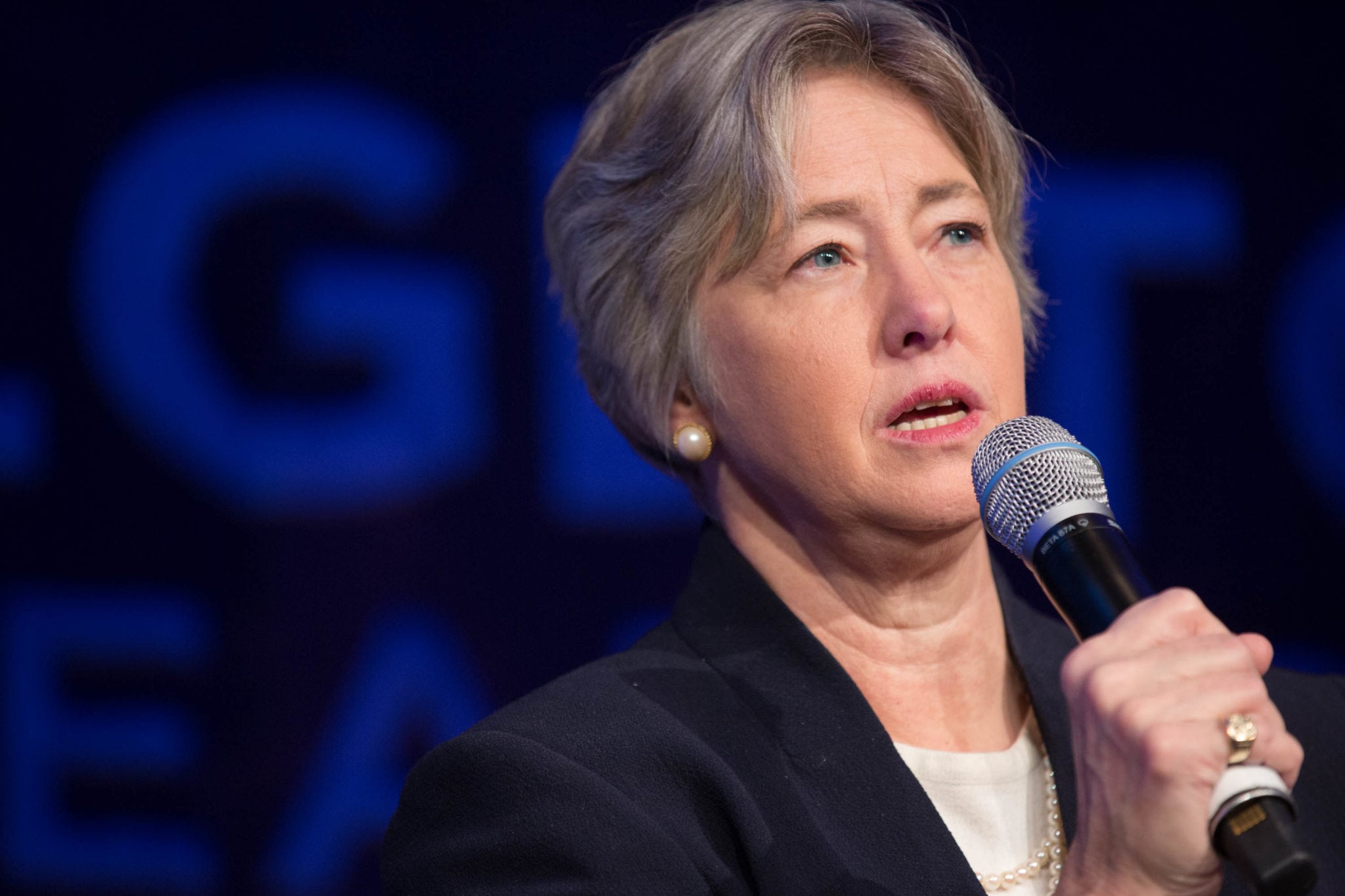
Former Houston Mayor Annise Parker is named the new President & CEO of LGBTQ+ Victory Fund and LGBTQ+ Victory Institute. She is the first former elected official to lead the organizations.
2018
The Rainbow Wave: An unprecedented number of out LGBTQ+ people ran for office in 2018 and Victory Fund endorsed 274* of them—more than at anytime in our 27-year history. Victory Fund invested more than $2 million to support our candidates, from the U.S. Senate to local school boards, and 64 percent won on Election Night. In November 2018, Colorado made Jared Polis the first openly gay man elected governor of a U.S. state, America elected ten LGBTQ+ members of Congress, and the number of trans state legislators quadrupled.
2019
Victory Fund invests heavily several lesbian mayoral candidates for major U.S. cities, including Chicago Mayor Lori Lightfoot in Chicago, Tampa Mayor Jane Castor, and Madison Mayor Satya Rhodes-Conway.
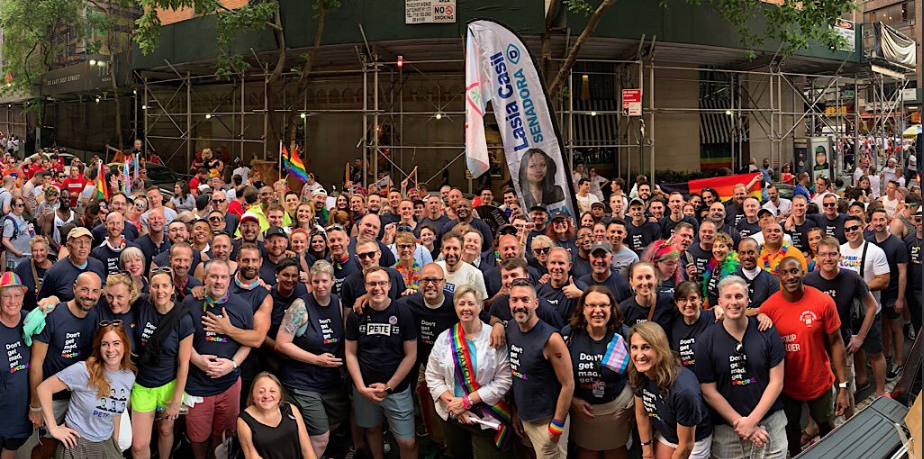
On June 28, Victory Fund endorses Pete Buttigieg for President of the United States at a rally at Brooklyn Steel in New York. The event marked our first endorsement in a presidential cycle and brought together over 500 attendees and 60 LGBTQ+ candidates and elected officials from across the country.
2020